Quarter grades are often progress marks. The semester grade is more likely to represent the completed course segment and may be the grade that enters a transcript. The exact relationship varies by school.
Equal-quarter calculation
With an 82 and a 90, the equal-quarter semester grade is 86.
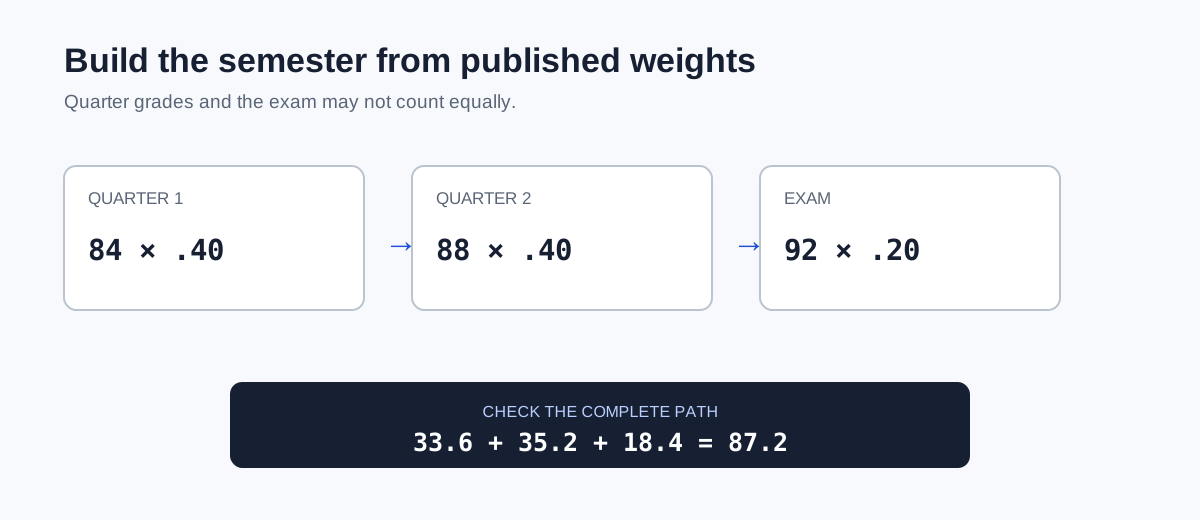
When an exam has weight
If each quarter is 40 percent and the exam is 20 percent, the equal average is wrong. For an exam score of 88:
Which grade should enter GPA?
Use the final course or semester grade specified on the transcript. Entering quarter 1, quarter 2, and their combined semester grade would count the same performance more than once.
Which grading-policy questions should you resolve?
- Are quarter grades official or progress-only?
- Does the semester exam have a separate weight?
- Is the course one semester or a full year?
- Does the transcript show percentages or letters?
- Are semester grades each assigned 0.5 credit?
Use quarter grades to understand a trend
Even when only the semester grade enters GPA, quarter grades can explain how the final result developed. A move from 82 to 90 shows improvement that a single 86 does not display. For planning, calculate how much a remaining exam can change the semester result, but keep the official quarter values unchanged.
If quarters contain different amounts of work, equal quarter weights can still be correct because the school has chosen to weight grading periods, not individual assignments across the full semester.
One displayed grade can already be weighted
A gradebook's semester column may already include quarter and exam weights. Reapplying them produces an incorrect result.
Rebuild one grading period from the policy
Start with the smallest period the school actually calculates. Copy the two quarter grades, the exam grade, and each published weight into separate rows. Convert percentages to decimals and confirm that the weights total 1.00 before multiplying. If the school reports only a semester grade, do not invent quarter weights from the number shown on the transcript.
After calculating, compare the result with the posted semester grade before using it in a GPA estimate. A small difference can come from hidden decimals or a documented rounding rule. A larger difference usually means the exam was weighted twice, the quarter weights were assumed incorrectly, or the gradebook uses total points instead of a period-weight formula.
Record the scope beside the number
Label each result as quarter, semester, or full year. The same percentage can represent different spans and should not be entered twice in a cumulative worksheet.
When two quarter grades and a final exam determine the semester result, use the semester grade calculator with the exact weights printed in the syllabus.
A four-pass check for this method
A reliable quarter and semester grades estimate should leave an audit trail, not just a final number. Work through these four passes in order and keep the source for every scale, weight, credit value, and inclusion decision beside the calculation.
- Copy the official quarter and exam weights.
- Convert the weights to decimals and confirm they total 1.00.
- Multiply each grading-period result by its assigned weight.
- Use the school’s semester grade and rounding rule for GPA.
After the four passes, change one input at a time and calculate again. The direction and size of the change should match the rule you documented. Preserve unrounded values until the final display, label hypothetical inputs, and keep institutional results separate from estimates created for planning. If the worksheet still disagrees with an official record, compare the included courses and denominator before assuming the arithmetic is wrong.
Rebuild the semester from the official weights, then compare it with the posted result before converting it to GPA points. A mismatch usually belongs in the weighting or rounding step. Save the source date with the worksheet so a later policy change does not silently alter the meaning of the estimate.